The assignment was open-ended: "Develop a modular typeface." While many interpretations involved pixel grids or rigid squares, I wanted to explore a more organic challenge: How much can we reduce the alphabet before it loses its soul?
I established a strict constraint to create a legible, humanist typeface using the fewest distinct shapes possible. I wasn't interested in reinventing the pixel; I was interested in the interplay of form and void.
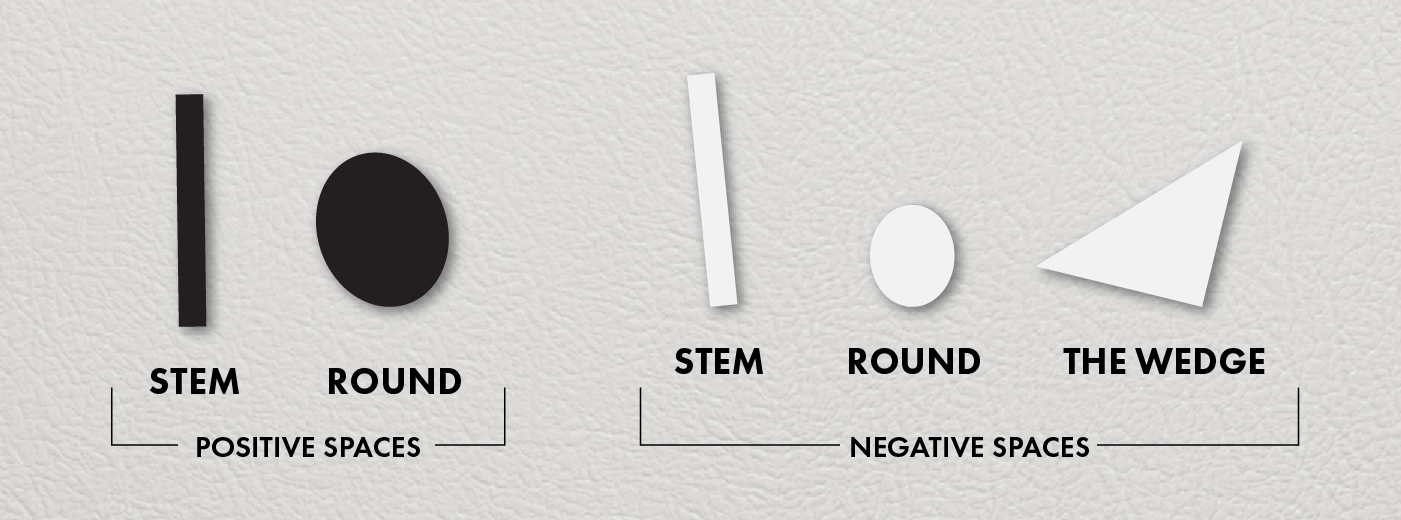
Letterforms are modular by nature (a ‘b’, ‘d’, and ‘p’ share the same DNA), but this system pushes that reduction to its limit.
The breakthrough came during the physical prototyping phase. I initially experimented with perfect circles, but the resulting typography felt mechanical and lifeless. By shifting to ovals and offsetting their axes, I regained control over the stress of the strokes.
This allows the rigid magnetic pieces to assume humanist forms when used in combination.
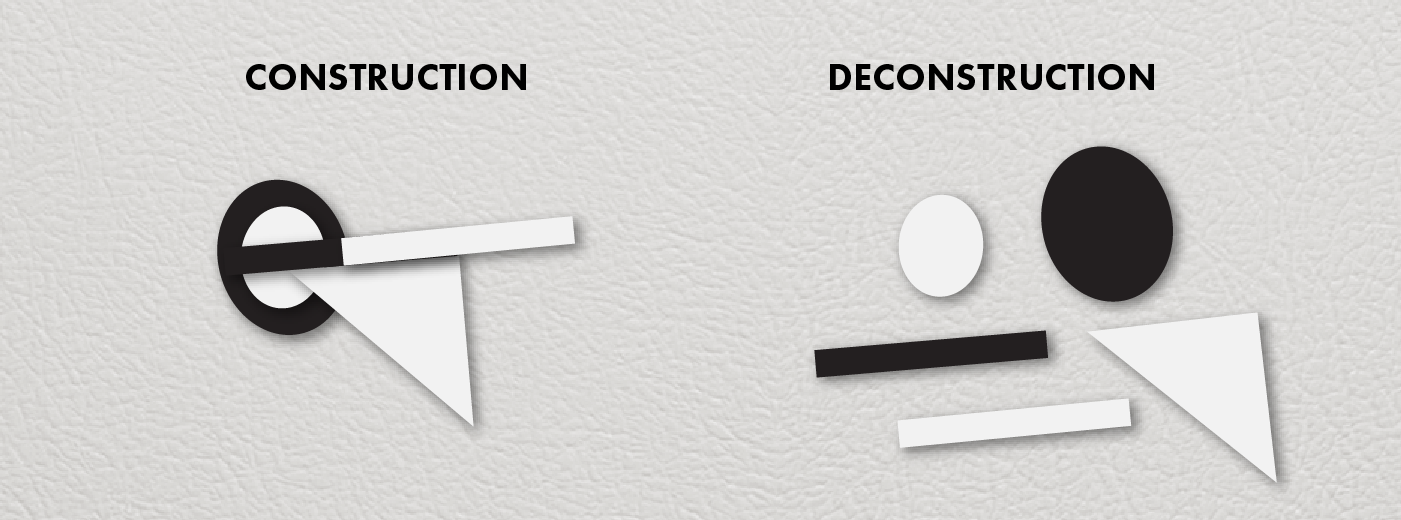
What began as an exploration of negative space evolved into a tactile product. By producing the system on magnetic stock, Fridgeface transformed from a static font into a participatory toy.
It invites the user to stop reading and start building. Whether constructing a grocery list or assembling abstract art, the user experiences the joy of design through play.

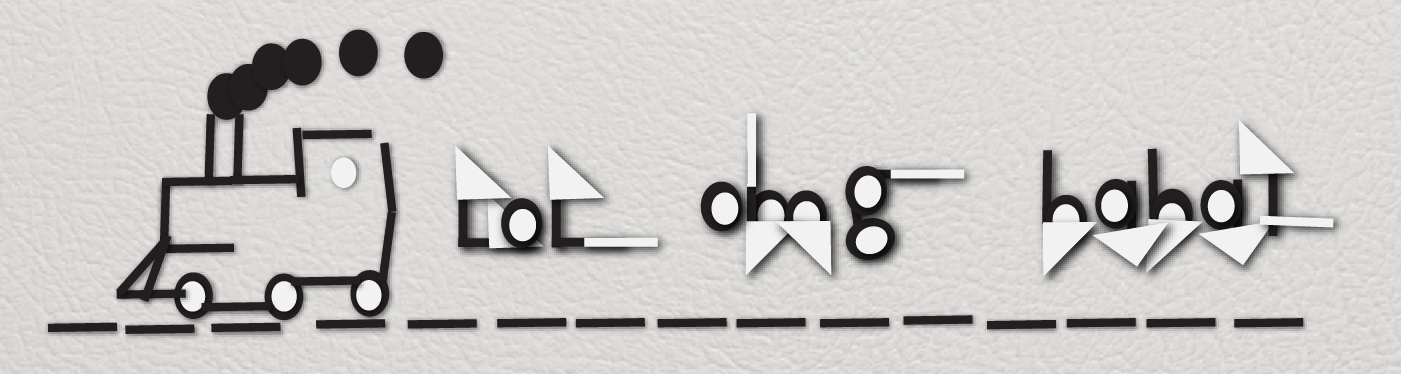
Fridgeface remains a cornerstone of my portfolio because it represents a core design philosophy: Limitations liberate creativity.
This project taught me that Art Direction isn't just about decoration—it is about understanding the fundamental systems that hold a composition together. When you understand the relationship between positive and negative space, you can build anything.
I’m drawn to strange questions, bold ideas, and the edges of what’s possible. If you’re here to make meaning—or make something beautiful—drop me a line. Don’t be shy. Let’s make something weird and wonderful.